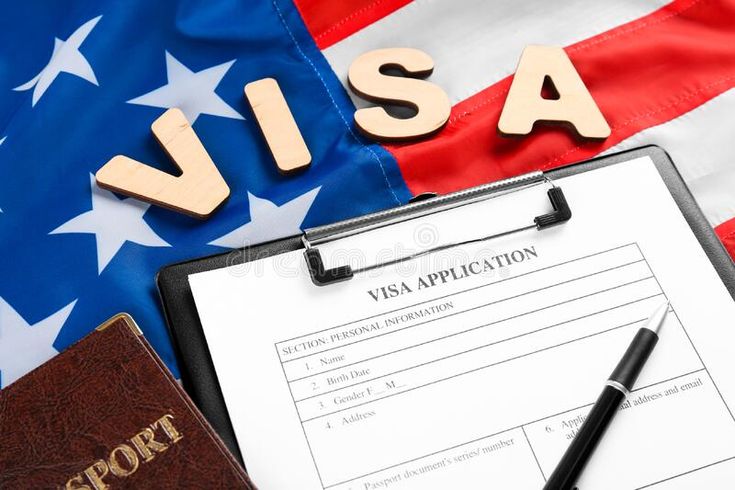
Caregiver Jobs with Visa Sponsorship in USA
The United States is a top destination for individuals seeking caregiver jobs with visa sponsorship. These roles not only offer meaningful work opportunities but also serve as a pathway for skilled caregivers from around the globe to pursue the American dream. The demand for caregivers in the U.S. has risen significantly in recent years, fueled by an aging population and an increasing need for quality healthcare services. This article explores caregiver jobs with visa sponsorship in the USA, including pathways, requirements, benefits, and challenges, providing a comprehensive guide for aspiring caregivers.
The Growing Demand for Caregivers in the USA
According to the U.S. Census Bureau, by 2030, all baby boomers will be over 65 years old, making up more than 20% of the nation’s population. This demographic shift has created an unprecedented demand for caregivers to support elderly individuals, those with disabilities, and patients recovering from illness or surgery.
Caregivers play a critical role in the healthcare system by offering essential services, including emotional support and physical assistance, to improve the quality of life for those in need.
What Are Caregiver Jobs with Visa Sponsorship?
Caregiver jobs with visa sponsorship involve employers in the U.S. who are willing to sponsor qualified foreign workers to fill caregiving roles. Sponsorship may cover visa application assistance, legal fees, and even relocation expenses. Common caregiving positions include:
- Home Health Aides (HHA)
- Duties: Providing basic healthcare services such as monitoring vital signs, administering medication, and assisting with mobility.
- Personal Care Assistants (PCA)
- Duties: Assisting clients with daily living activities like bathing, dressing, grooming, and meal preparation.
- Certified Nursing Assistants (CNA)
- Duties: Offering medical and personal care under the supervision of registered nurses, often in hospitals or long-term care facilities.
Pathways to Work as a Caregiver in the USA
Various visa options allow caregivers to work in the United States. Each pathway has its own eligibility requirements:
- H-2B Visa
- Designed for temporary, non-agricultural workers, the H-2B visa can be used by caregiving employers for seasonal or short-term roles. Employers must demonstrate that no qualified U.S. workers are available to fill the position.
- EB-3 Visa
- This visa offers a pathway to permanent residency for skilled, unskilled, and professional workers. Caregivers often qualify under the “unskilled worker” category. Employer sponsorship is mandatory, and this visa leads to a green card.
- J-1 Visa
- Available for cultural exchange and training programs, the J-1 visa allows caregivers to gain hands-on experience in the U.S. while participating in structured exchange initiatives.
- Family-Sponsored Visas
- In some cases, U.S. residents may sponsor a caregiver to care for a family member requiring professional assistance.
Requirements for Caregiver Jobs with Visa Sponsorship
To qualify for caregiver roles with visa sponsorship, candidates generally need:
- Experience: Prior experience in caregiving or a related field, supported by professional references.
- Educational Background: A high school diploma or equivalent; certifications such as CNA credentials may be required.
- English Proficiency: Fluency in English to effectively communicate with clients and healthcare teams.
- Clean Background Check: A spotless criminal record and, in some cases, a medical clearance.
- Soft Skills: Employers often seek candidates who demonstrate empathy, patience, adaptability, and excellent interpersonal skills.
Benefits of Caregiver Jobs with Visa Sponsorship
- Legal Work Authorization: Sponsorship provides caregivers with the right to work in the U.S. legally, ensuring compliance with immigration laws.
- Professional Advancement: Working in the U.S. healthcare system allows caregivers to gain valuable experience and enhance their skill set.
- Pathway to Permanent Residency: Visa options like the EB-3 can lead to a green card, offering long-term stability.
- Competitive Compensation: Caregivers in the U.S. earn higher salaries compared to many other countries, often accompanied by benefits like health insurance, retirement plans, and paid leave.
- Cultural Exposure: Working in a diverse and dynamic environment provides opportunities for personal growth and cultural enrichment.
Challenges for Caregivers Seeking Visa Sponsorship
While the opportunities are vast, caregivers may face several challenges:
- Lengthy Visa Processes: The application and approval process can take months or even years, requiring patience and persistence.
- Employer Dependence: Visa sponsorship ties workers to their sponsoring employer, which can limit flexibility in job options.
- Cultural Adaptation: Adjusting to new cultural norms, languages, and workplace environments may be daunting.
- Rigorous Requirements: Meeting all visa and job-related qualifications can be challenging for some candidates.
Finding Caregiver Jobs with Visa Sponsorship in the USA
- Job Portals: Platforms like Indeed, Glassdoor, and LinkedIn frequently feature caregiver positions offering visa sponsorship.
- Recruitment Agencies: Agencies specializing in international hiring connect caregivers with U.S. employers.
- Networking: Building professional connections through social media, caregiver forums, or industry events can lead to job opportunities.
- Government Programs: Some U.S. government initiatives provide resources for foreign workers pursuing caregiving roles.
Success Stories
Countless caregivers have successfully transitioned to the U.S. workforce through visa sponsorship programs. For example:
- Maria from the Philippines: Maria secured a caregiving role under the EB-3 visa program. Her hard work and dedication led to her obtaining a green card, allowing her to bring her family to the U.S. and establish a new life.
Conclusion
Caregiver jobs with visa sponsorship in the USA offer a unique opportunity for skilled professionals to build a rewarding career while contributing to the nation’s growing healthcare needs. The journey may be demanding, but the rewards—both personal and professional—are substantial.
By understanding the available pathways, meeting the necessary requirements, and leveraging job search resources, caregivers can achieve their dream of working and living in the United States. With determination and preparation, the American dream can become a reality for those willing to embrace the challenge and pursue the opportunity.